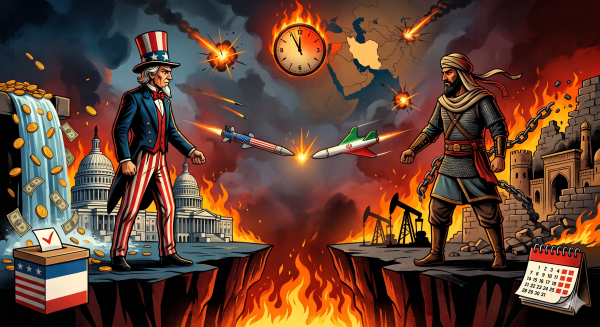
It would be a mistake to view the current escalation between Washington and Tehran as a chaotic exchange of blows. The dynamics we are observing are a classic macroeconomic and geopolitical strategy of testing pain thresholds. The parties...
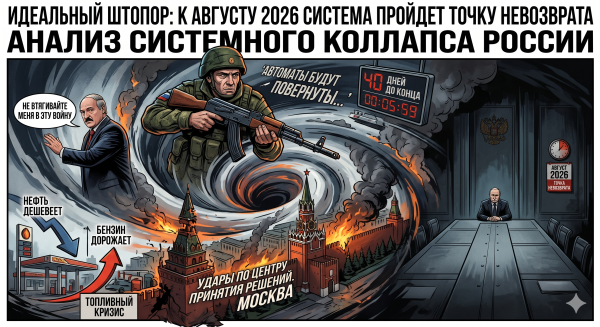
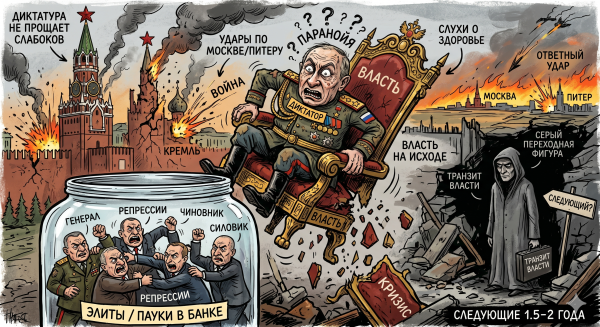
The end of June 2026 laid bare a critical vulnerability in Russia’s power structure. Events that appear disparate at first glance—from statements by allies to anomalies in commodity markets—are coalescing into a clear trend:...
Throughout the history of global financial markets, there has always been a strict rule: prices are dictated by the balance of supply and demand, backed by hard statistics on tanker shipments and inventories. However, the events of June...
Our baseline geopolitical and macroeconomic forecast remains valid and is fully corroborated by current developments. However, the way this scenario is actually unfolding is striking in its institutional irrationality. The situation...
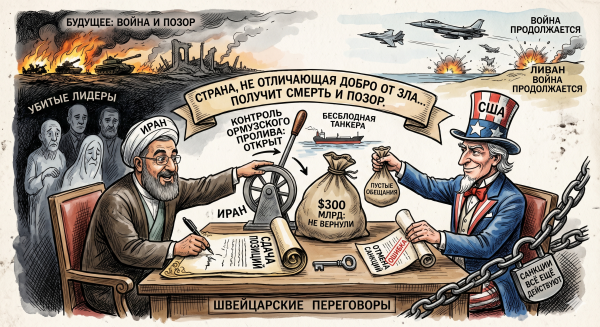
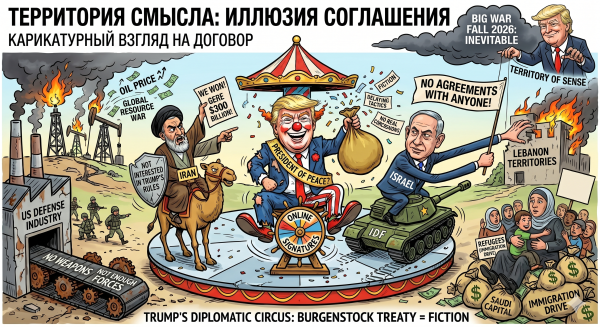
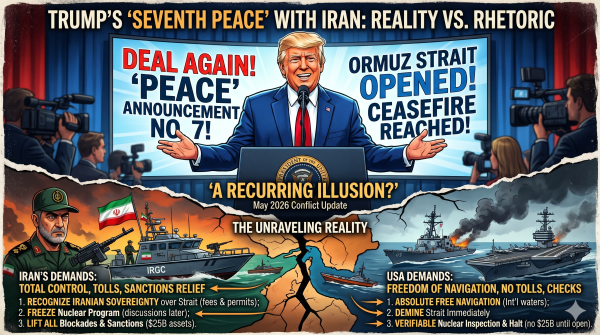
The current document between the Trump administration and Iran is not a peace treaty, but merely a declaration of intent (the so-called “Islamabad Memorandum”), burdened with conditions that are knowingly impossible to fulfill. The...
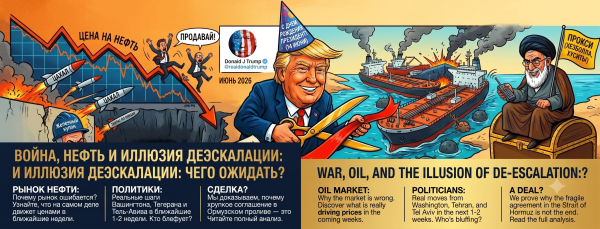
The initial market reaction to Donald Trump’s statements about the “final end” of the war and the reopening of the Strait of Hormuz was predictably impulsive. Oil prices immediately fell on expectations of a recovery in global supplies....
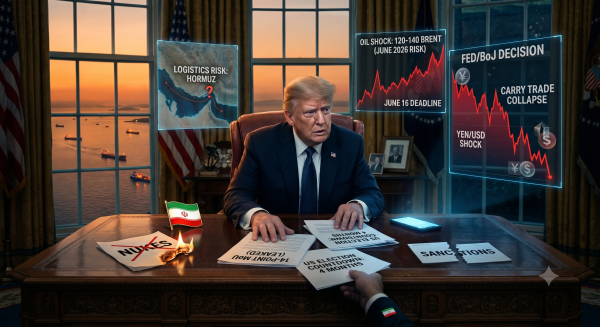
How macroeconomic fears, not diplomacy, forced the White House to backtrack just days before the monetary collapse A sharp turnaround In early June 2026, the world stood on the brink of a full-scale war in the Middle East. Western media...
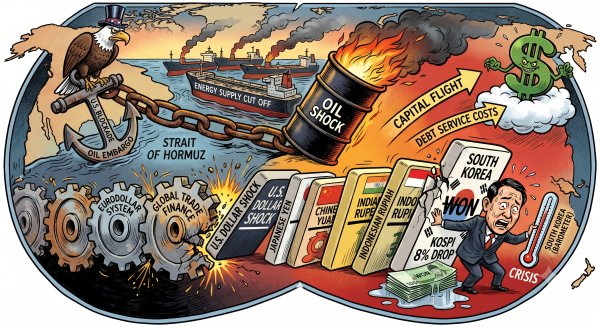
The current crisis in the Asian currency markets is no longer a local problem of individual developing countries. The U.S. geopolitical decision to block the Strait of Hormuz provoked a powerful global energy shock, which instantly...
Macrostructure of the Decade: Cyclical Market Analysis from Euphoria to a New Reality The current decade will go down in history as a period of unprecedented volatility and tectonic shifts in the global macroeconomic structure. Modeling of...
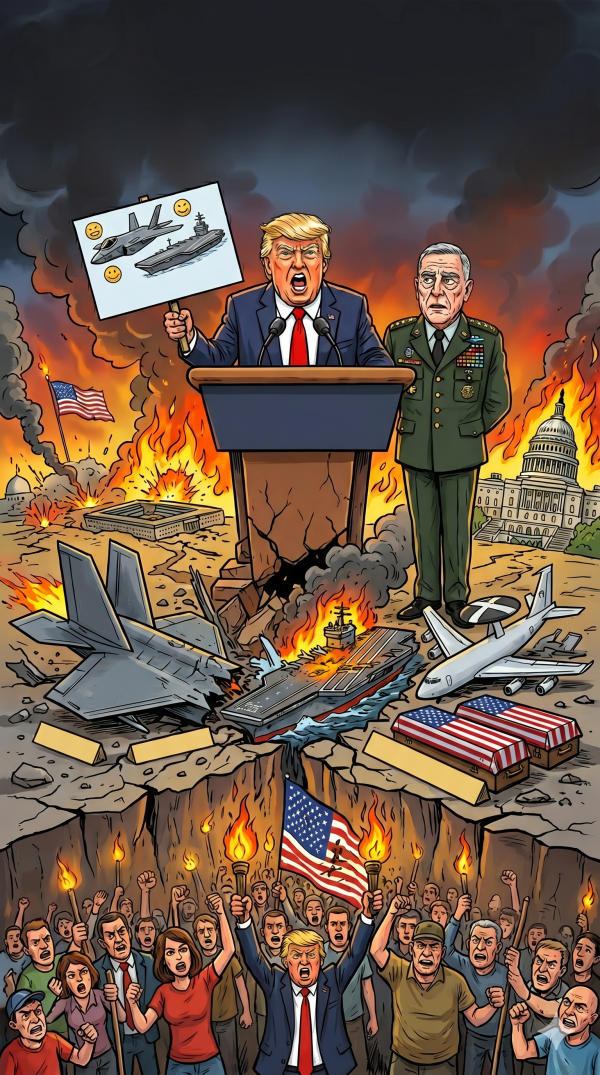
The current US military and political strategy is facing a systemic crisis that is carefully masked by official Washington. The White House administration (both Democrats and Donald Trump), together with the country's top military...
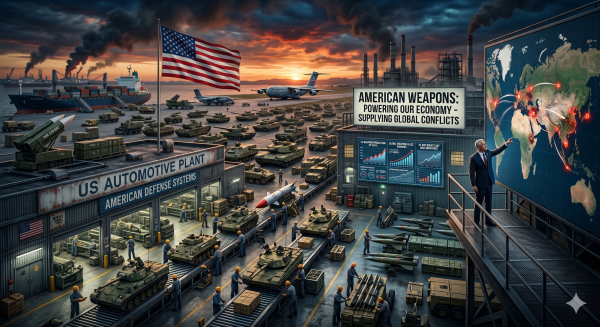
Pete Heckseth's recent official announcement of a radical increase in arms production and readiness to supply it on an unprecedented scale to all interested parties puts the final point in the formation of the new economic doctrine of the...
Modern political science classifies what is happening not as a unique phenomenon, but as a natural cycle of disintegration of personalist autocracy (according to Barbara Geddes' classification). Unlike military juntas or one-party systems,...
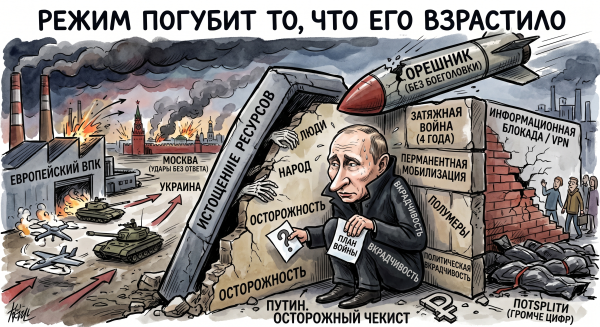
For decades, the foundation of the current Russian government has been political "sneakiness" - a strategy of avoiding sudden movements. Careful tightening of the screws, gradual and almost imperceptible tax increases, elimination of...
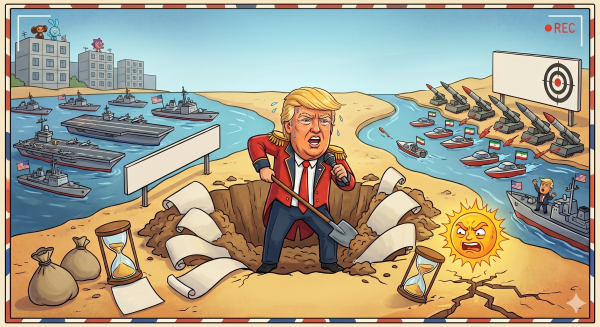
Over the past month and a half, Donald Trump has set a record of sorts by announcing the imminent end of the conflict with Iran and the opening of the Strait of Hormuz at least six times. The other day, the White House went to the press...
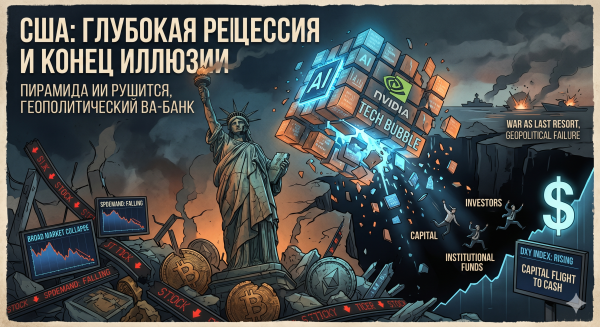
Over the past few quarters, the global macroeconomic landscape has shown clear signs of a systemic weakening of the U.S. position. The economy is facing structural barriers, and traditional methods of hedging domestic problems through...
Another tactical maneuver by Donald Trump - the statement about postponing the start of the bombing campaign for two or three days "at the request of the Saudi leadership" - in reality has nothing to do with de-escalation. Behind this...
The current strategy of the Russian leadership in the military conflict is based on a principled rejection of mass forced mobilization in favor of the creation of a de facto mercenary army. Through unprecedented increases in one-time...
Donald Trump's current rhetoric about U.S. successes in the Iran conflict is an attempt to register a political victory in the face of an impending structural impasse. Loud rhetoric hides the reality that the United States is being held...
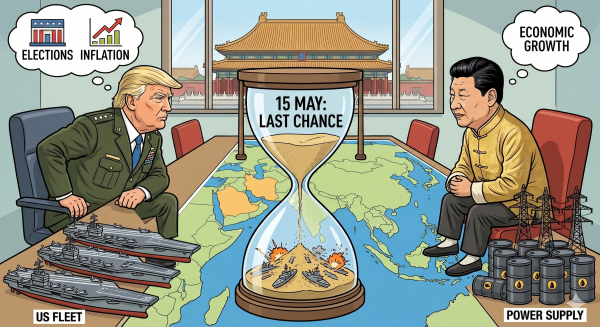
The upcoming meeting between Donald Trump and Xi Jinping in Beijing on May 14-15, 2026 is not a new beginning, but a painful return to thwarted negotiations. We recall that this visit was planned back at the beginning of the year...
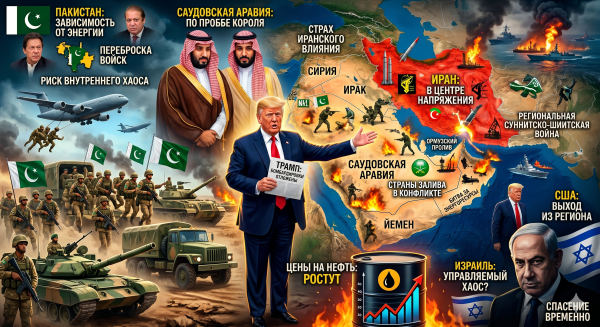
The current disposition of forces in the Middle East has ceased to be a mere show of muscle and has entered a phase of critical risk for American military and political dominance. The introduction of U.S. ships and contingents directly...